

Profile Correction
Cleaner working geometry for a knife that needed more than a quick pass.
Proof of Standard
Real repair work. Real blade geometry. Real tools brought back to service. From rust removal and chip repair to profile correction and final edge refinement, every blade is approached with respect for the steel, the tool, and the work it has to do.

Featured Restoration
This is not cosmetic sharpening. Heavy damage, oxidation, and broken geometry are corrected before the final edge is refined. The goal is always the same: restore function while preserving as much steel as possible.
Repair & Restoration Examples
Cleaner working geometry for a knife that needed more than a quick pass.
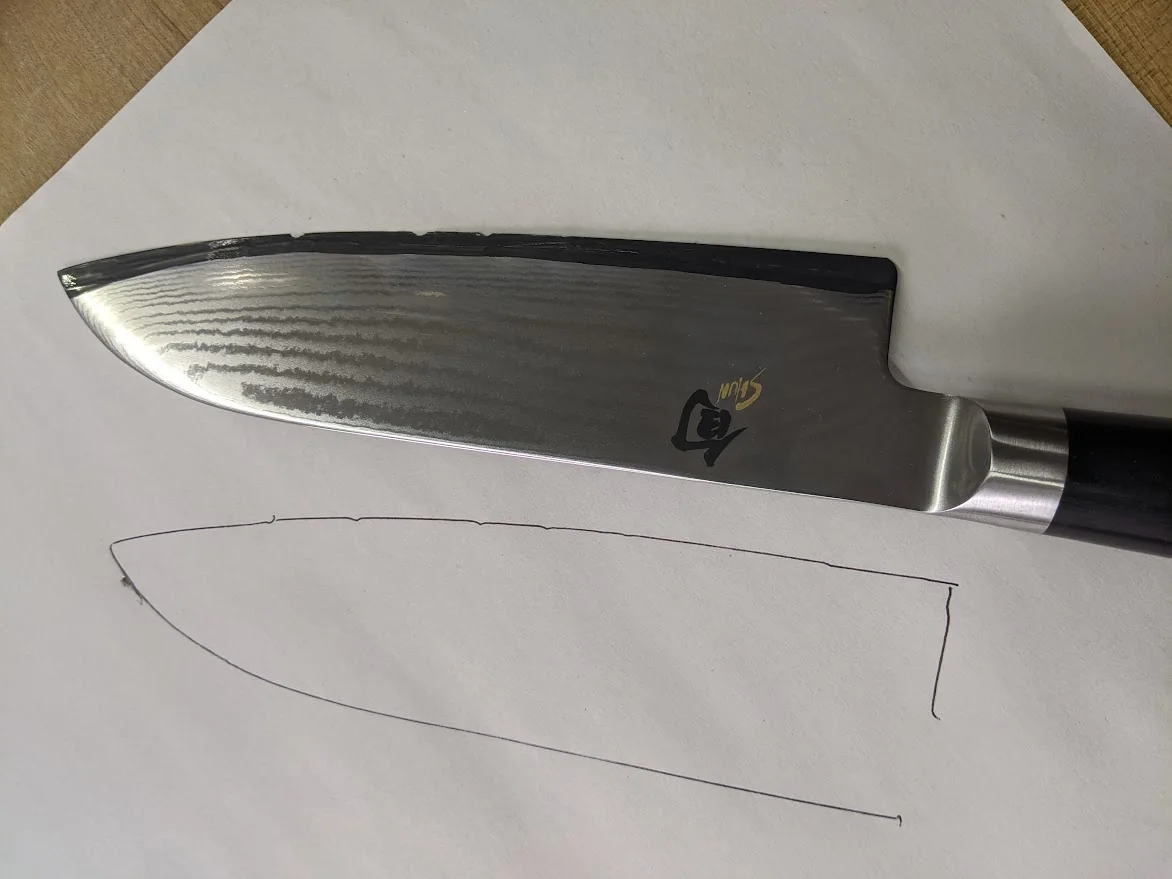
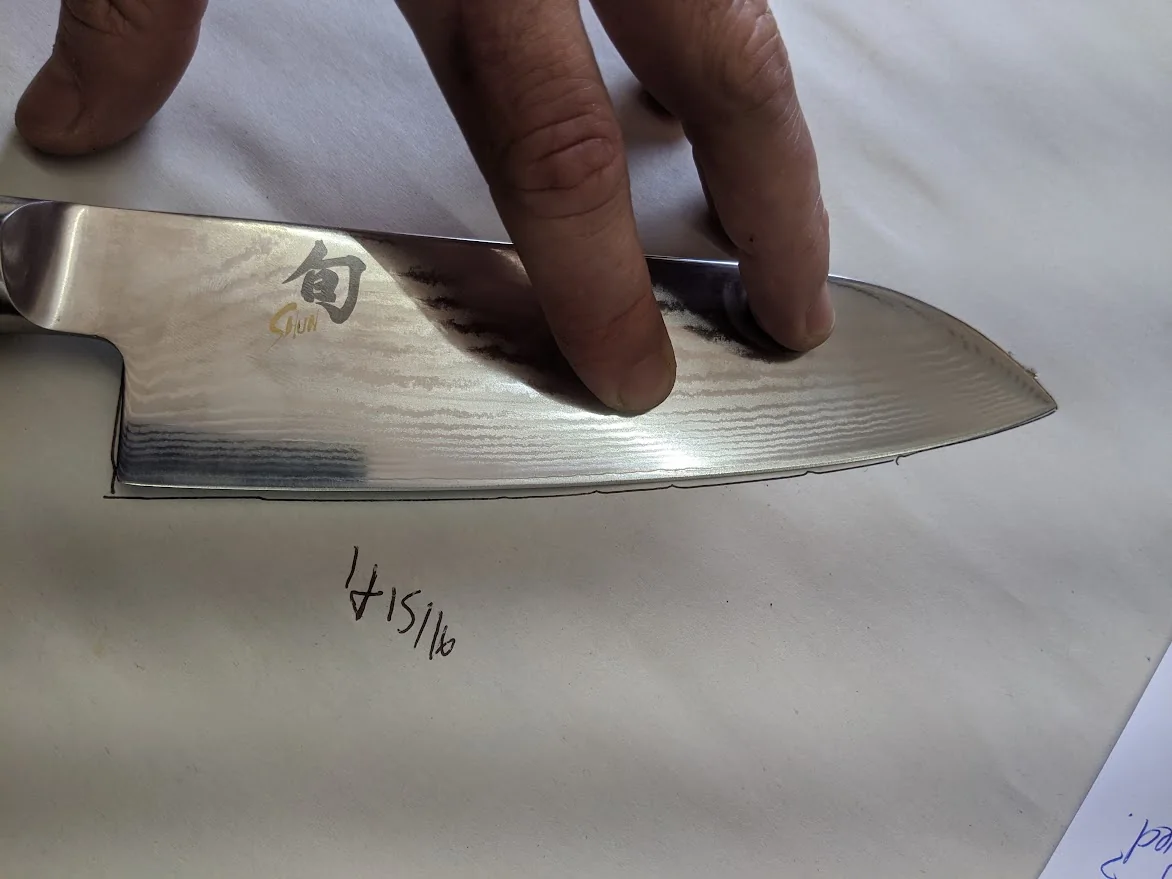
Damage corrected before sharpening so the edge can perform correctly again.


Small-blade repair where shape, control, and edge alignment matter.


Tip restored and edge returned to practical service.
The Standard
A sharp knife should feel right on the board, protect the food, and put control back in the cook’s hands.